

How to Choose the Right Timber Batten Size for your Ceiling Design
Material Performance ● Batten Sizing
June 18, 2025
Selecting the right timber batten size is a nuanced decision that extends far beyond aesthetics. This article explores how proportion, material limitations, structural performance, and environmental behaviour intersect in ceiling design. It outlines the practical considerations that influence specification—from weight and installation to cost and availability—while also examining when alternative materials such as aluminium may offer a more resolved outcome. A considered guide for architects and designers seeking clarity in linear timber ceiling systems.
PROJECTS LOOKBOOK ⇩The Subtle Influence of Scale in Timber Batten Design
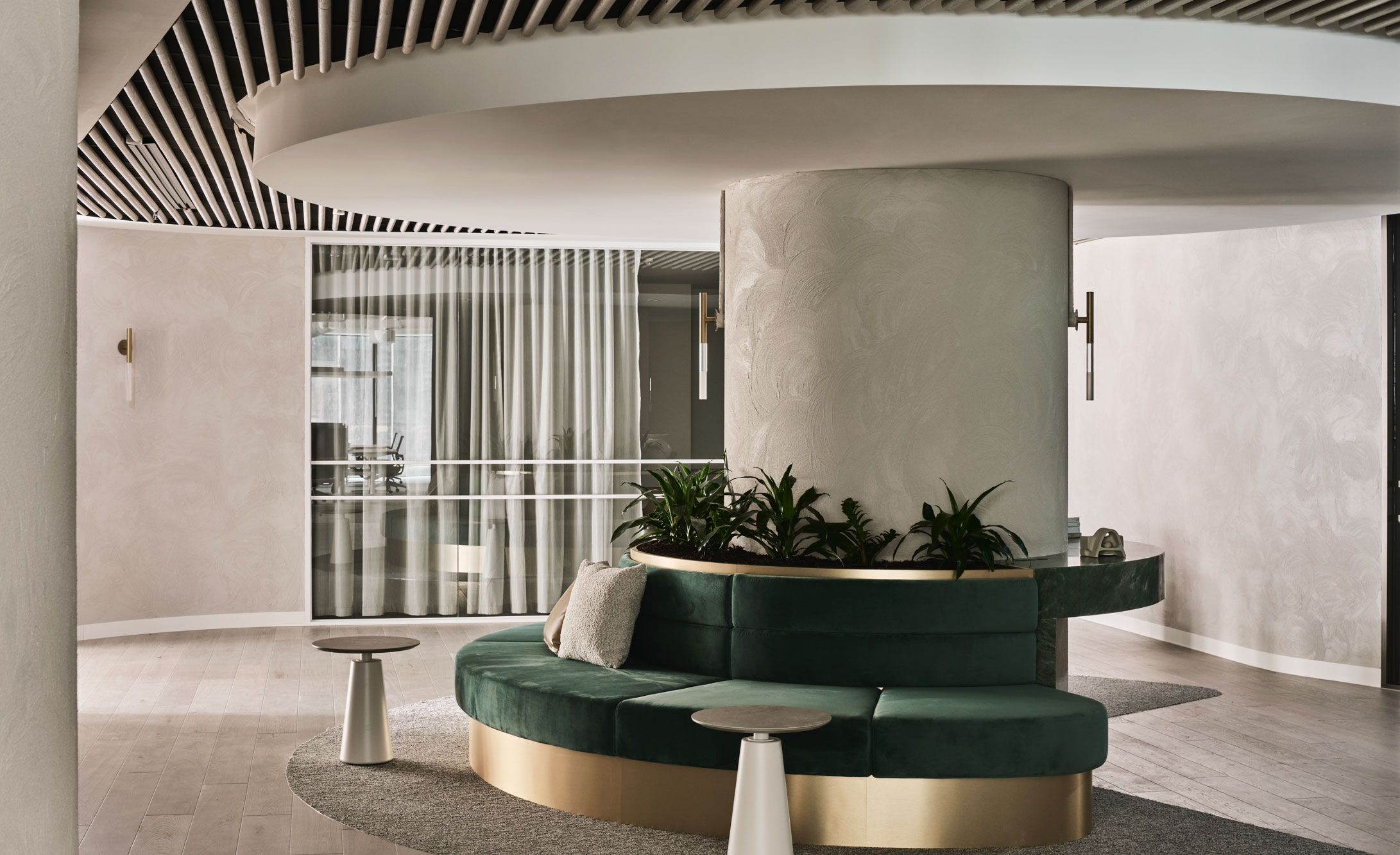
In architectural interiors, it is often the quieter elements that carry the greatest influence. Timber battens, while seemingly simple in form, have the capacity to define rhythm, proportion, and atmosphere within a space. Their scale—often determined early in the design process—shapes not only how a ceiling is perceived, but how it performs over time.
Choosing the right timber batten size is therefore less a singular decision and more a balancing act between visual intent and practical constraint. While larger profiles can introduce a sense of weight and boldness, and smaller sections offer refinement and repetition, the implications extend well beyond appearance.
Weight, for instance, becomes an immediate consideration. As batten dimensions increase, so too does the load imposed on the ceiling structure. In suspended systems particularly, this added mass must be carefully accounted for, often requiring additional support or engineering input. It is not simply a matter of scale, but of ensuring the integrity of the system as a whole.
Spacing plays an equally critical role. The relationship between batten size and spacing determines the overall material load per square metre, as well as the visual density of the design. A larger batten may necessitate wider spacing—not only to maintain structural feasibility, but to preserve a sense of balance within the composition.
Underlying these decisions are the natural limitations of timber itself. As a material, timber is shaped by its origin. The dimensions available in the market are governed by the size of harvested logs and the flitches produced during processing. These raw sections are milled into standardised profiles to optimise yield and ensure consistency across supply.
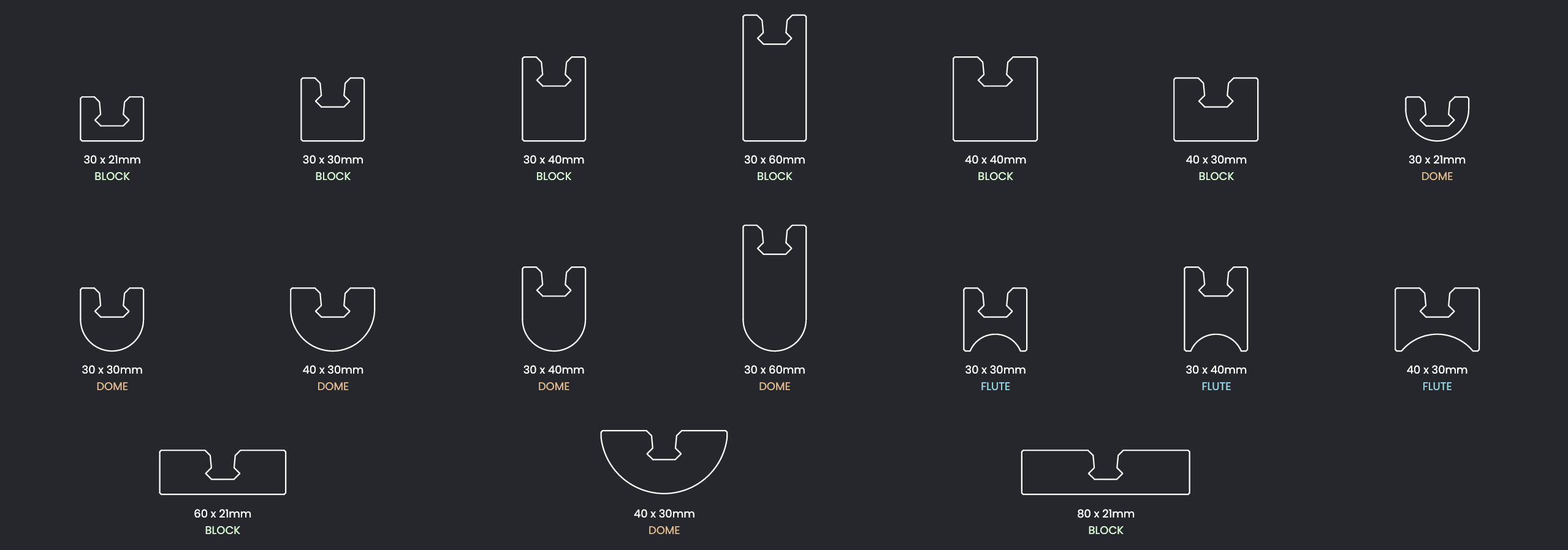
As a result, commonly available timber batten sizes tend to sit within a defined range, with larger profiles—typically around 60x30mm—representing the upper limit of what can be reliably sourced at scale. Specifying beyond these dimensions introduces not only cost implications, but also challenges in availability, lead times, and long-term consistency.

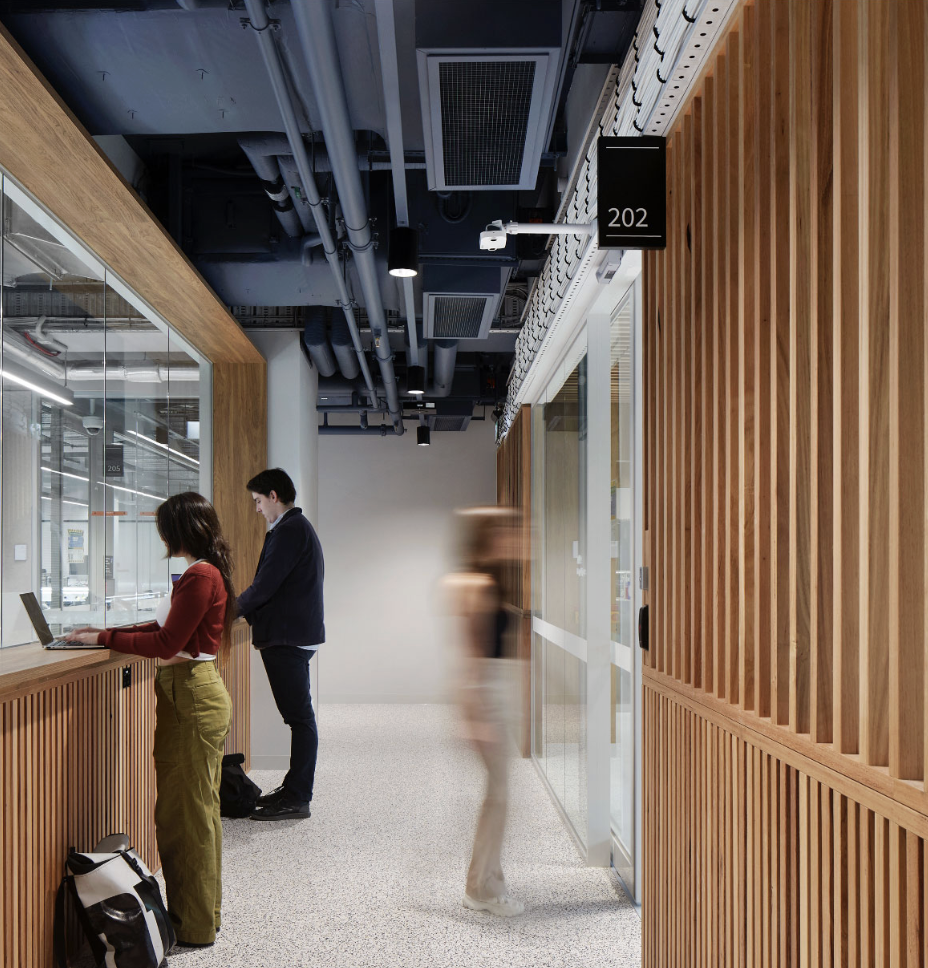
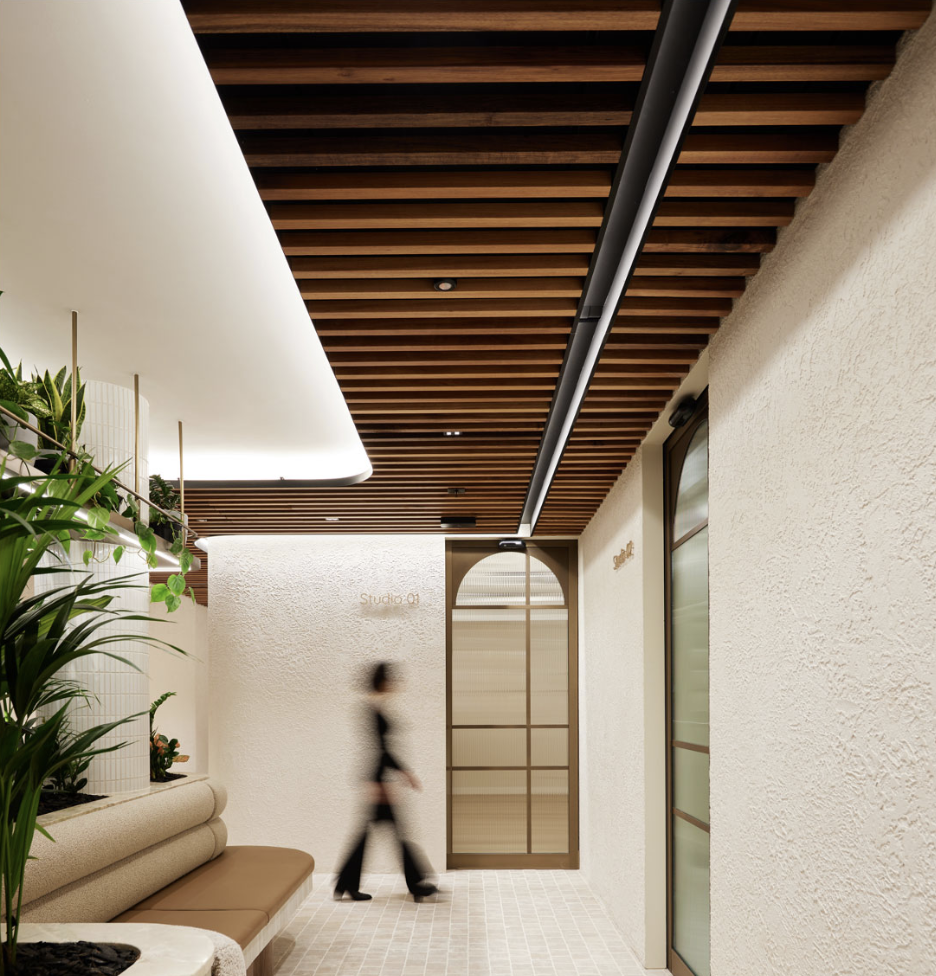
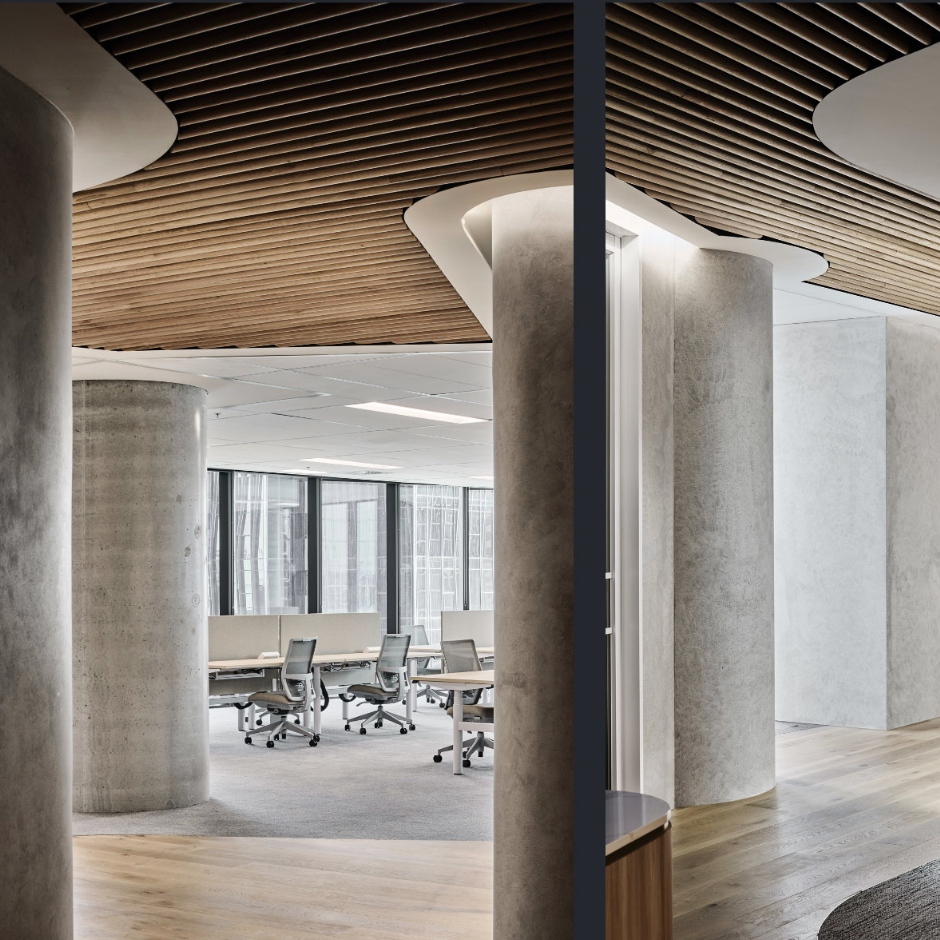
Cost, inevitably, follows material volume. Larger battens require more raw timber, drawn from bigger flitches, and are therefore more expensive to produce. For projects operating within defined budgets, this often prompts a more considered approach—balancing size, spacing, and visual impact to achieve the desired outcome without unnecessary material expenditure.
In some instances, the design intent may call for profiles that exceed the practical limits of natural timber. Here, aluminium battens offer a compelling alternative. Engineered to achieve larger dimensions without the associated weight, they provide greater flexibility in both scale and performance. When finished with a timber-effect powder coat, they retain the warmth and visual character of timber, while introducing benefits in durability, fire compliance, and cost efficiency.
⦿ Lightweight construction reduces structural load
⦿ Expanded profile sizes enable greater design freedom
⦿ Improved cost efficiency at larger scales
⦿ Enhanced performance with timber-look finishes
Installation considerations further inform the selection process. Larger battens, while visually impactful, can be more challenging to handle on-site. Their weight often requires additional labour or specialised equipment, and their scale demands a higher level of precision during alignment. Any deviation becomes more visible as the profile increases in size. Smaller, standardised battens, by contrast, tend to streamline installation, reducing both time and complexity.
Beyond installation, the long-term behaviour of timber must also be considered. As a hygroscopic material, timber responds to its environment—expanding and contracting with changes in temperature and humidity. This movement is proportional to its size, meaning larger battens are more susceptible to visible effects such as warping, cupping, or twisting over time. This is not a flaw, but an inherent characteristic of the material. However, it does require thoughtful design intervention. Detailing, spacing, and fixing methods can all be adjusted to accommodate movement, ensuring the ceiling continues to perform as intended throughout its lifecycle.
Ultimately, selecting the appropriate timber batten size is about understanding these interdependencies. A smaller, standard profile may offer efficiency, consistency, and ease of installation. A larger section may deliver stronger visual impact, but requires careful consideration of structure, cost, and movement. And in some cases, alternative materials may provide a more resolved outcome altogether.
At MBS Architectural, this process is approached collaboratively—working with architects and designers to navigate these decisions with clarity and precision. The goal is not simply to select a batten size, but to ensure the final outcome aligns with both the design vision and the practical realities of the built environment.
For those shaping linear timber ceiling systems, it is a reminder that scale is never just visual. It is structural, material, and experiential—defining not only how a space looks, but how it performs over time.

Our architectural team is here to collaborate on ideas, materiality and budget from day one. Drop us a note at hello@mbsarchitectural.com.au or call 03 9580 7800 to start the conversation.
Every material.one source.
Let's bring your project to life.





.svg)